





Why Is No One Talking About Cannabis Waste Disposal?
Any products containing or even coming in contact with THC must adhere to the same stringent disposal rules as other hazardous chemicals.
Marijuana may be a naturally occurring substance, but due to its Schedule 1 status under the federal Controlled Substances Act, its waste is essentially regulated similar to hazardous waste and must be stored, handled, transported, processed, and tracked in very specific ways. Non-usable plants must be rendered “unusable and unrecognizable,” which means a heavy (and expensive) amount of grinding and composting, and that’s just the herb itself. Anything that touches THC needs to be treated, including packaging, soil, and even the water that cleans the extraction machines. All that work amounts to a pretty hefty bill paid to a licensed hazardous waste collection agency, which can put a pretty big dent in your profits.
For more on the topic and to learn what some California and Colorado growers are doing to help ease the burden, click here.



Melissa Etheridge Enters the Cannabis Market with Etheridge Farms
The Santa Cruz County-based company will focus on serving the needs of middle-aged women.
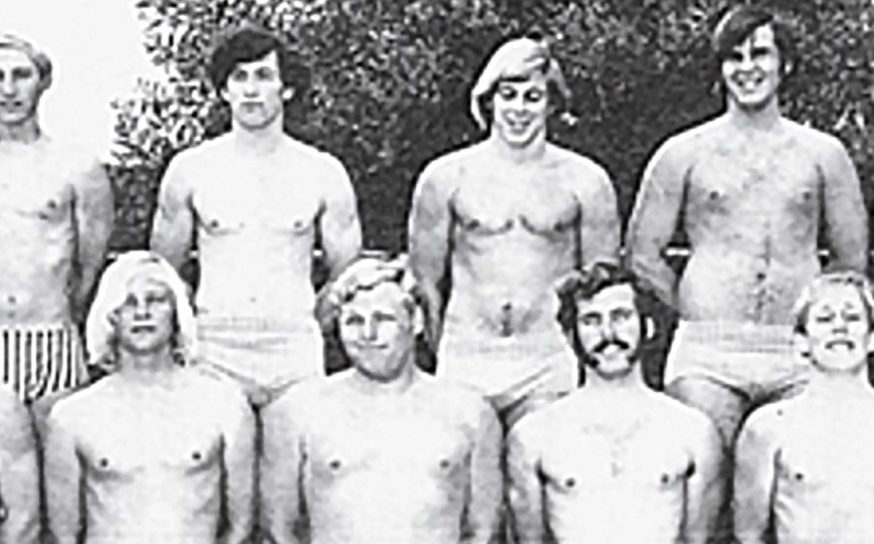
Deep Water: From the Swim Team to Drug Smuggling
In her new book, Katharine Nichols tells the story of a group of Coronado teens that trafficked drugs between Mexico and California in the 1970s.
Mapping Director Paul Thomas Anderson’s Love Letter to the San Fernando Valley
Behind the scenes of Oscar contender Licorice Pizza.