





Exploring Baja California’s Delightfully Vibrant Wine Region
Where to sip and savor in Valle de Guadalupe.
-
CategoryExperiences, Farm + Table, Tours, Wine + Beer
-
Written byHaily Zaki
-
Photographed byMonica Orozco
For anyone who grew up in Southern California, the line where Baja starts and California ends is forever blurred. Despite what the headlines may say or which way the political winds might be blowing at the moment, our economies, cultures and stories are deeply and naturally intertwined.
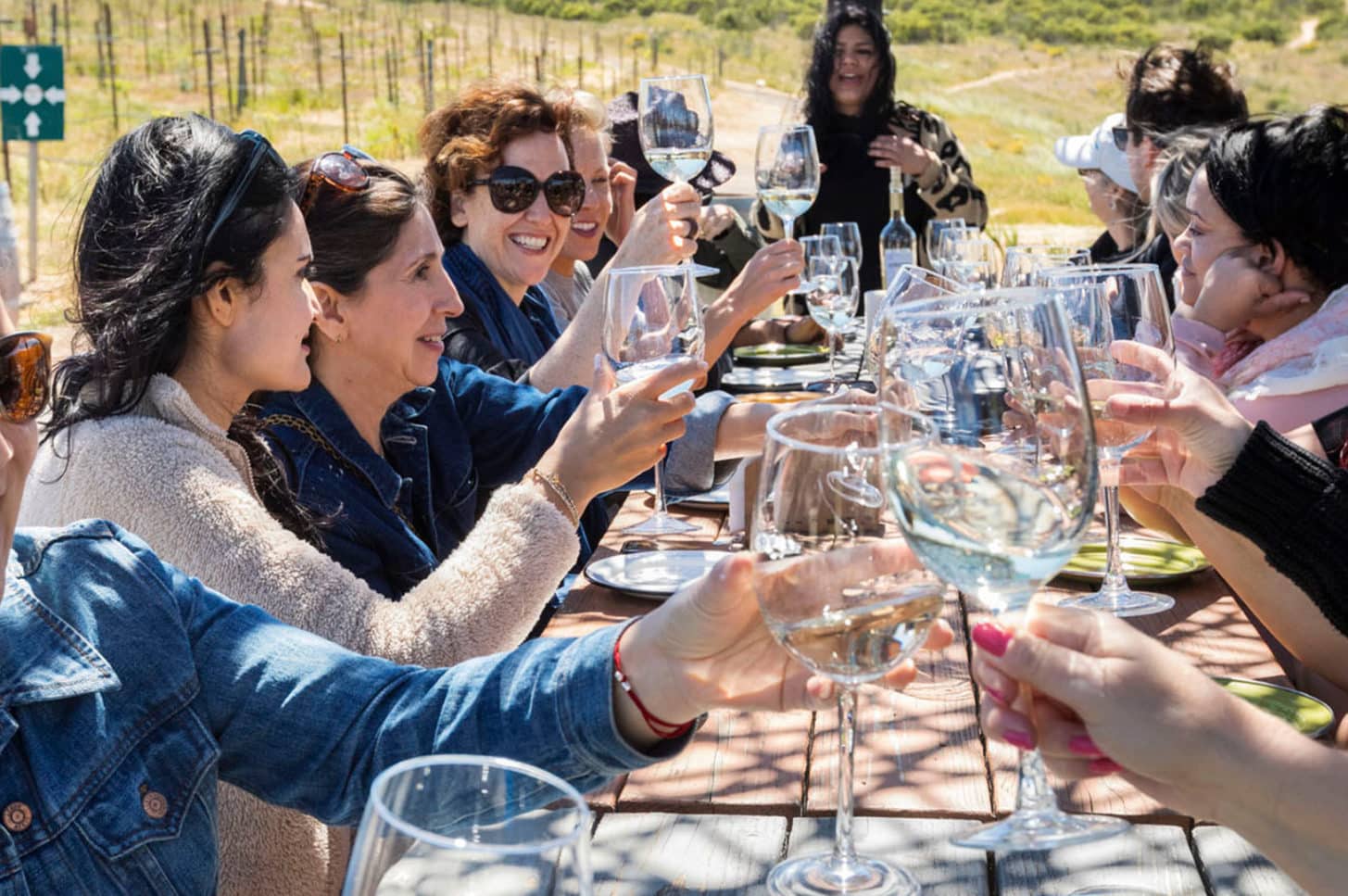
Photographer Monica Orozco recently took a design field trip across the border with the LA Design Festival to Tijuana and the Guadalupe Valley. The informal delegation of designers and journalists were on a mission curated by Tijuana design advocate Illya Haro to meet some of the creative winemakers and chefs who are driving a cultural and economic movement in Baja, proving that there really is nothing like breaking bread, sipping wine, and sharing stories to bring people together.
After a packed first day in Tijuana meeting makers, architects and urban hackers who are changing the face of this growing and constantly evolving border city, the group headed inland to the Guadalupe Valley, a now-famous wine-producing region that is becoming known as Mexico’s Napa Valley. Here are some highlights:
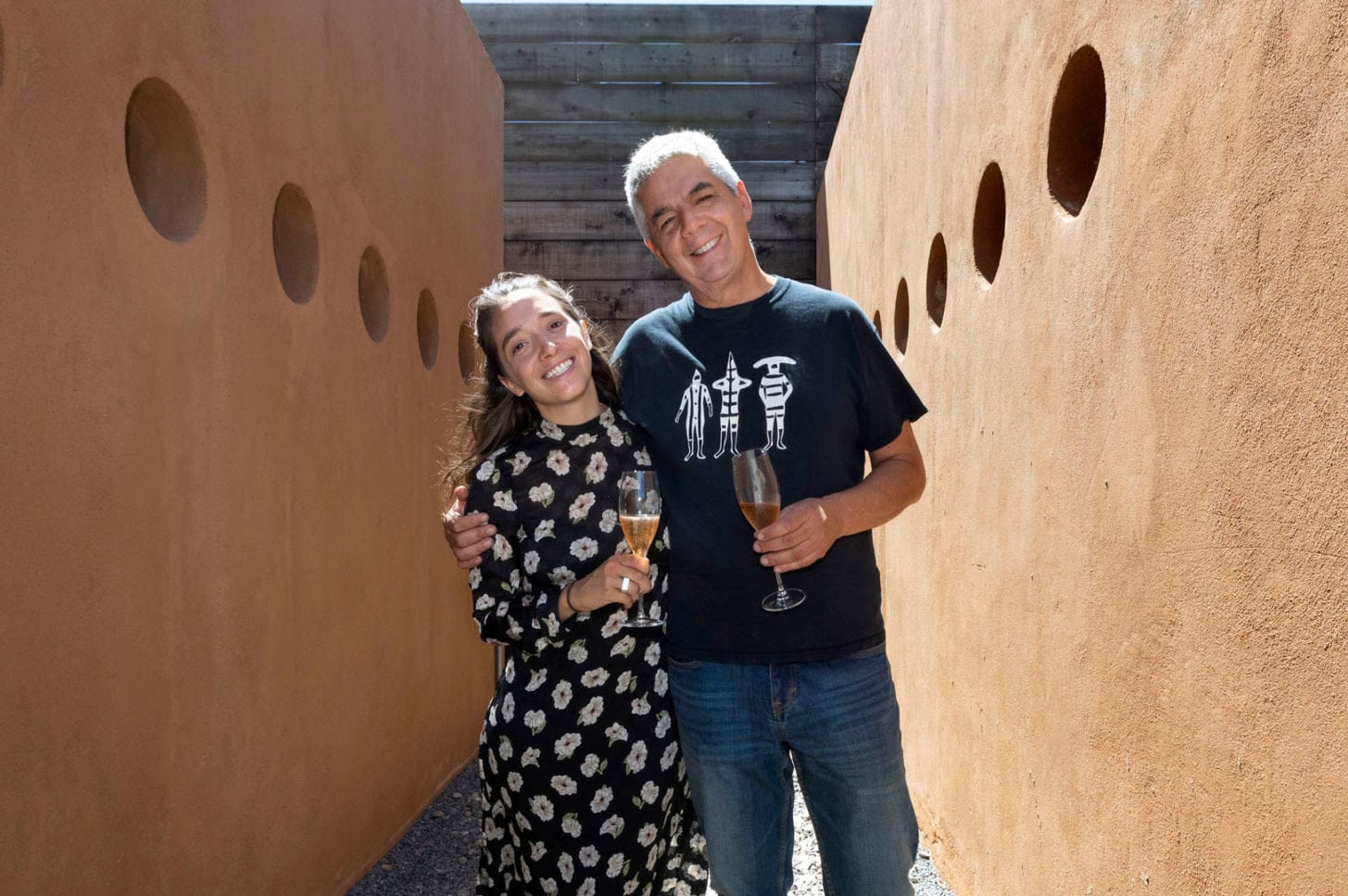
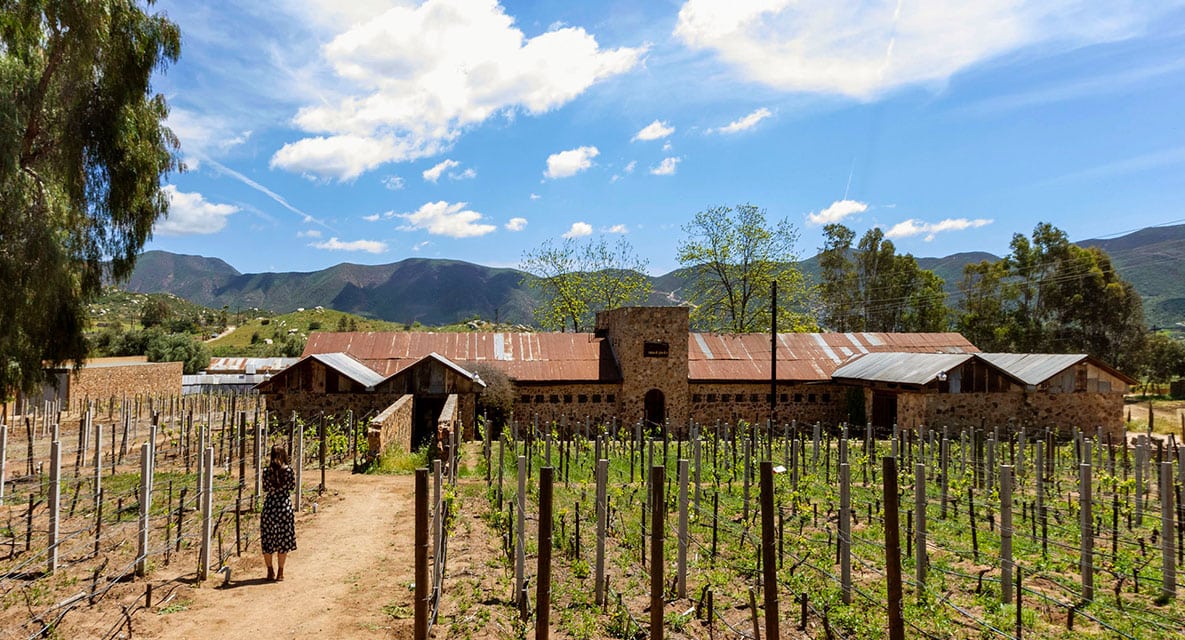
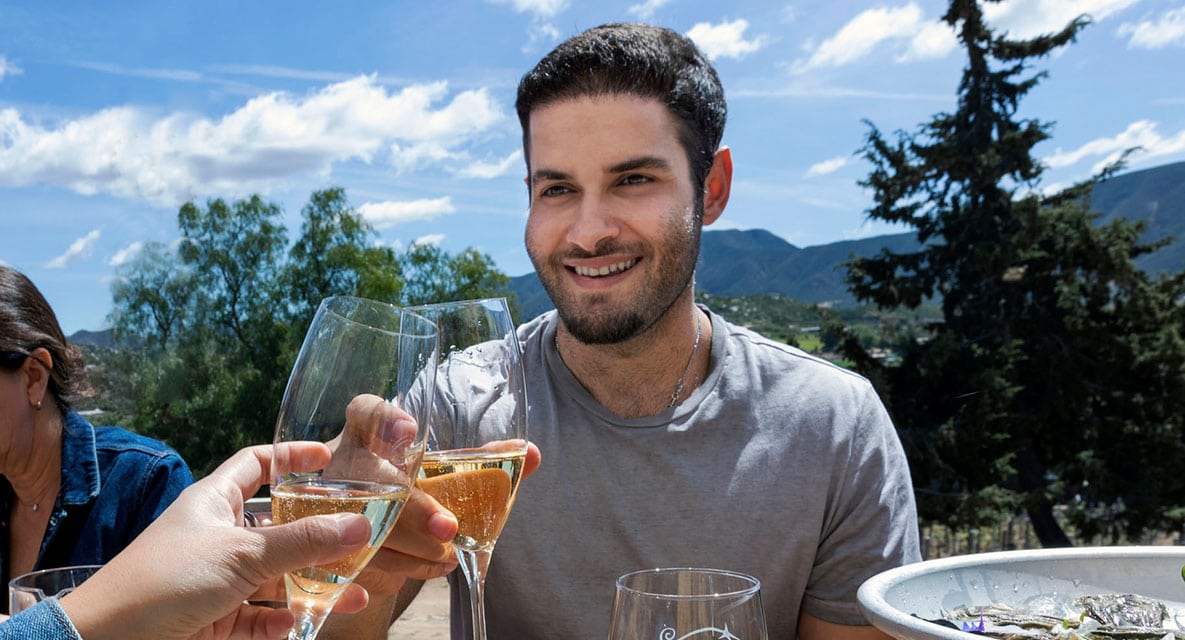
Winemaker Hugo D’Acosta, whose unofficial moniker is the Mondavi of Mexico, runs several wineries all specializing in different wines. He and his daughter, Daniela d’Acosta, hosted the design field trip group for Terroir y Meroir (aka bubbly wine made with the methode champenoise and oysters) at the lovely Conchas de Piedra at the Casa de Piedra winery. Casa de Piedra, which means “stone house,” was meant to be the D’Acosta family home, but eventually became the family’s first winery instead, back when there were but 12 wineries producing in the valley in the 1990s. Today there are hundreds of wineries in Valle de Guadalupe.
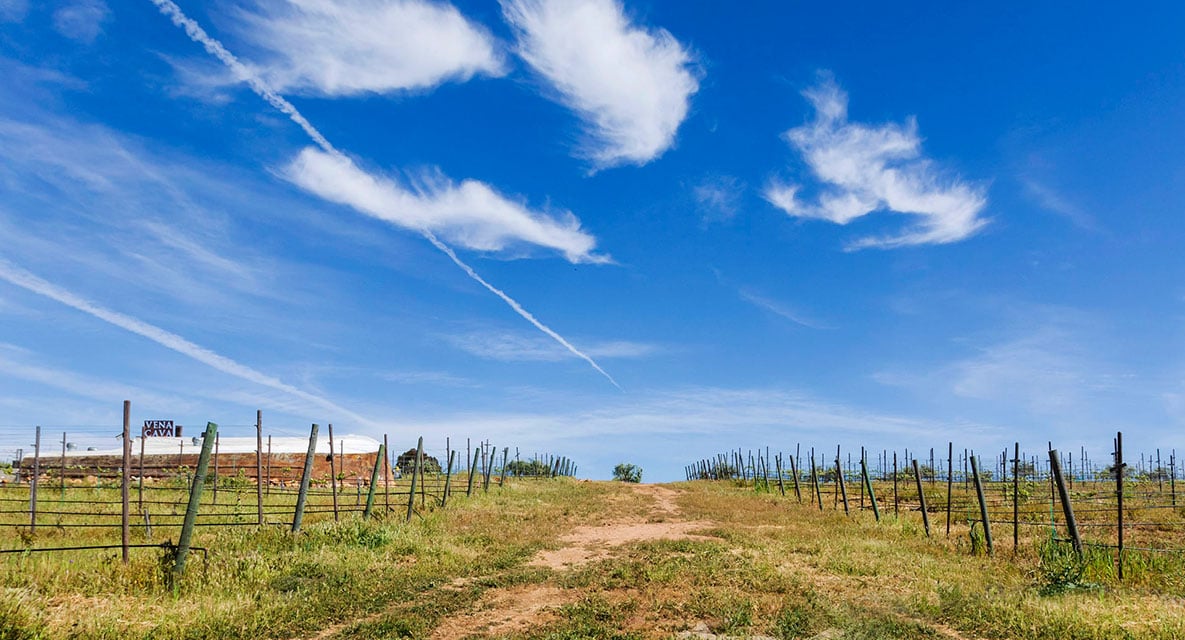
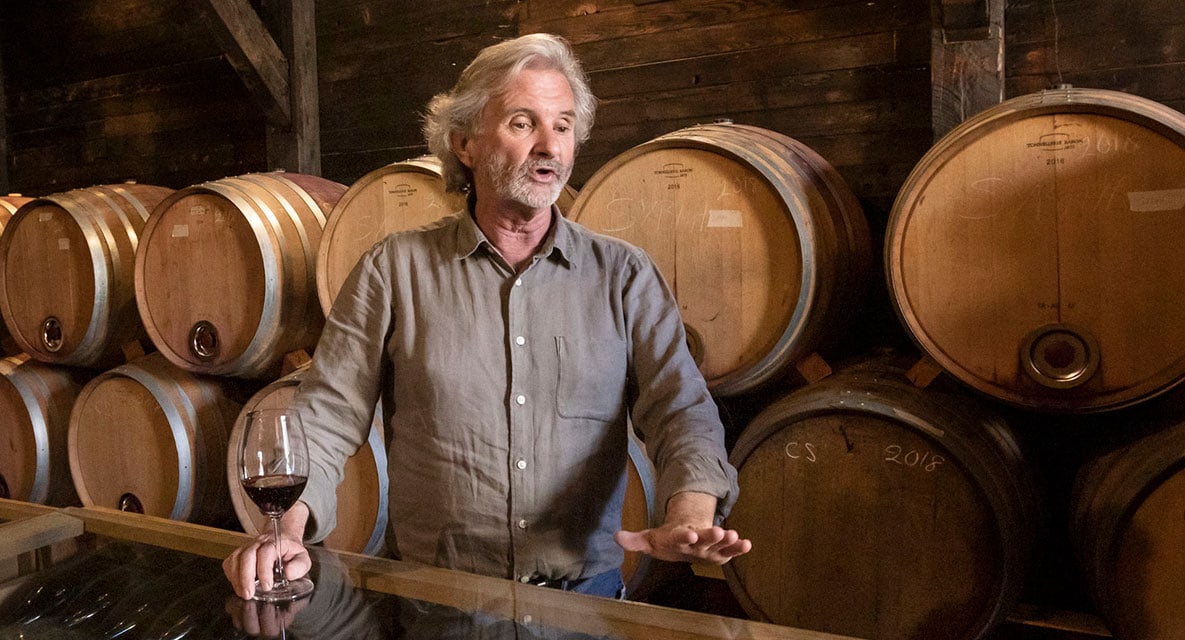
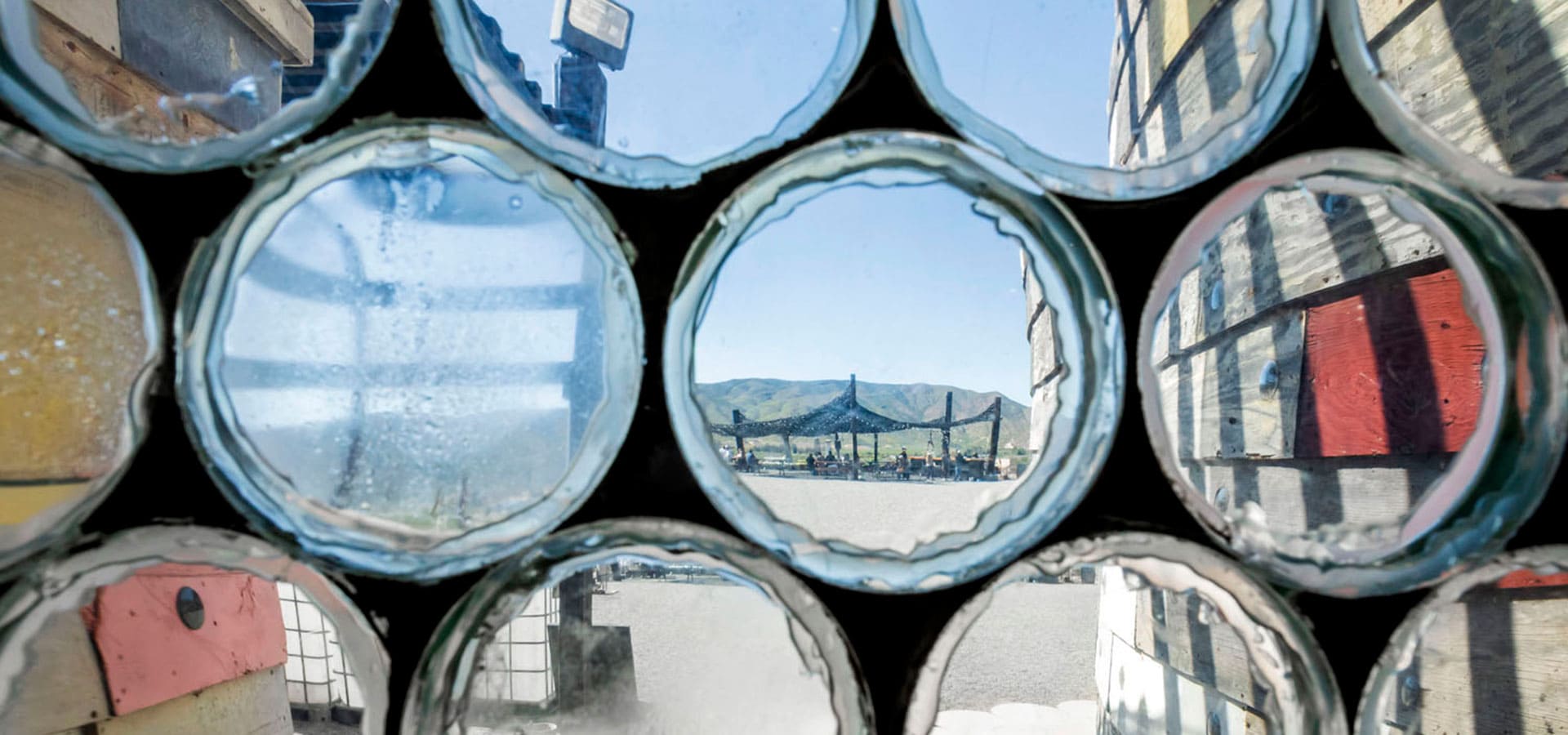
Winemaker Phil Gregory regaled with stories about the challenges that he and architect Alejandro D’Acosta (Hugo D’Acosta’s brother) encountered when building “the hippest winery in Mexico,” where unique tasting rooms are dug into the landscape and covered with reclaimed boats. A walk to the other side of his acreage brings visitors to an impromptu art park. (Vena Cava is known to host annual artist residencies as well.) While you’re there, don’t miss Troika, the permanent food truck at Vena Cava with menu created by Chef Diego Hernández Baquedano, who also happens to run the award-winning Corazon del Tierra restaurant. Advance reservations necessary.
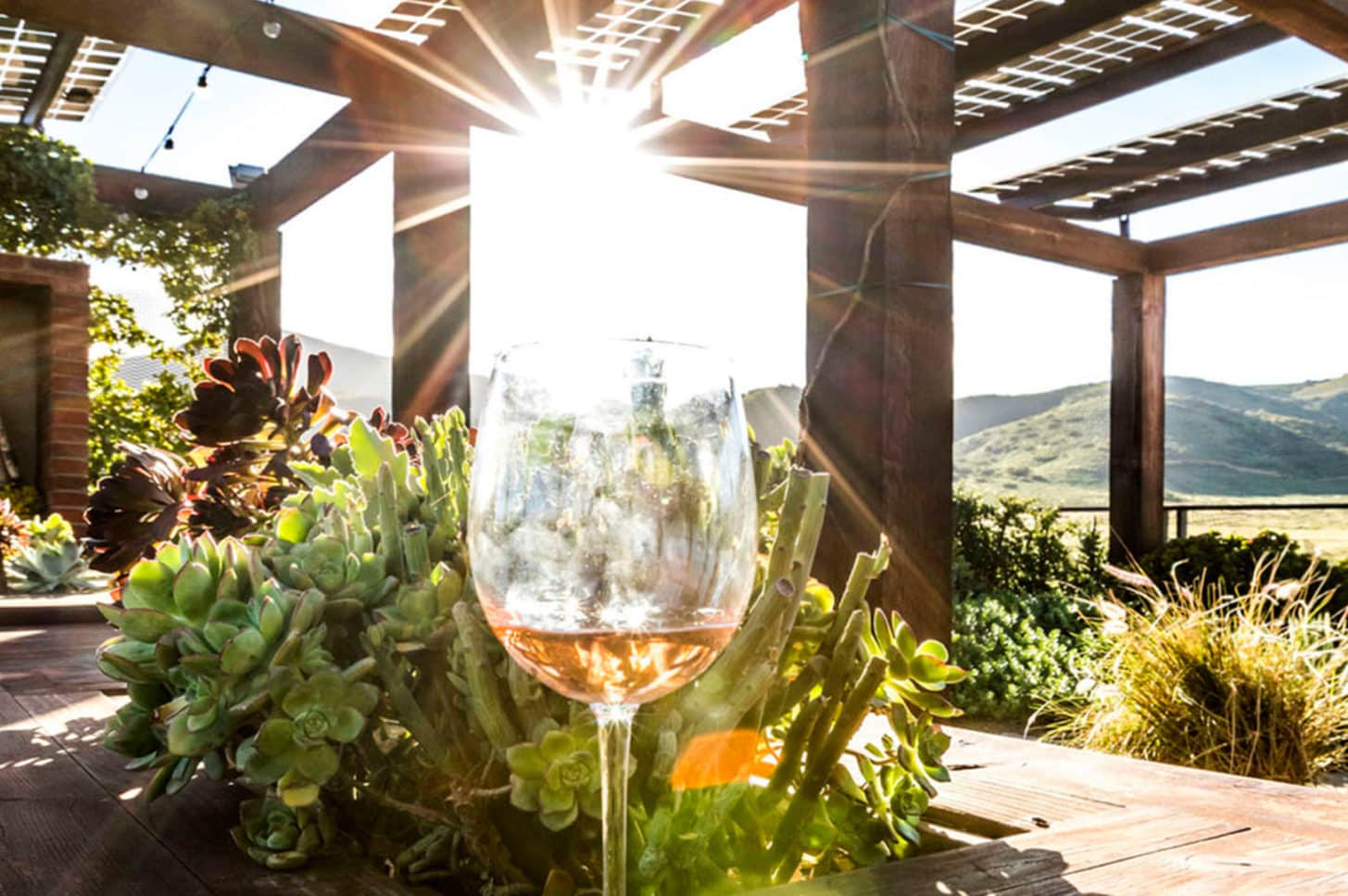
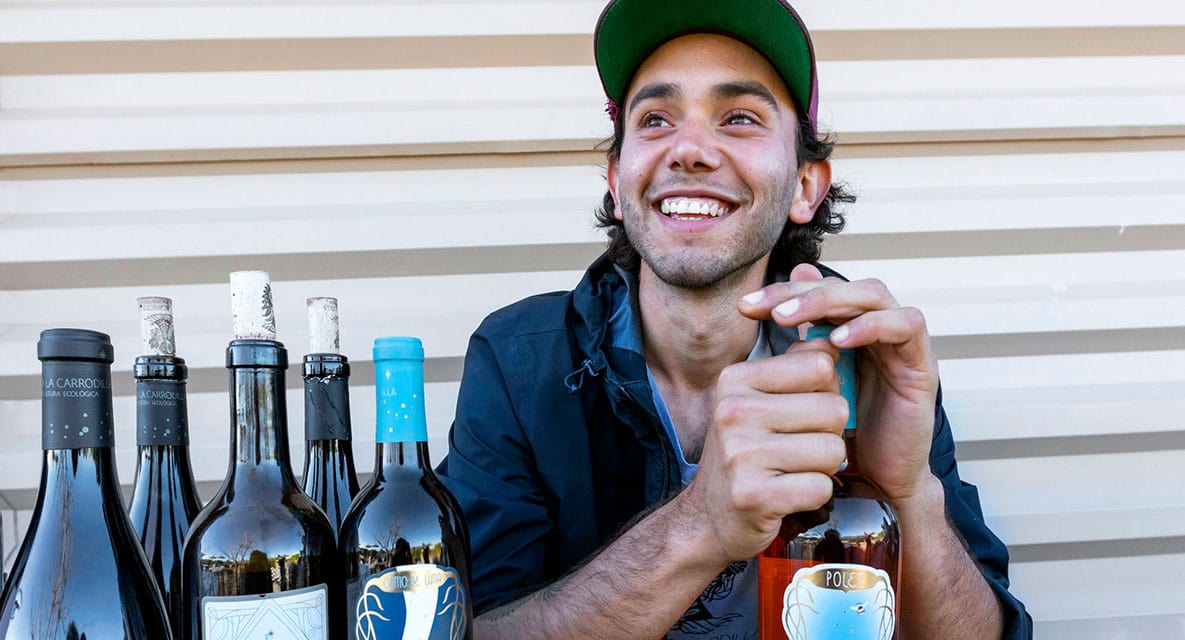
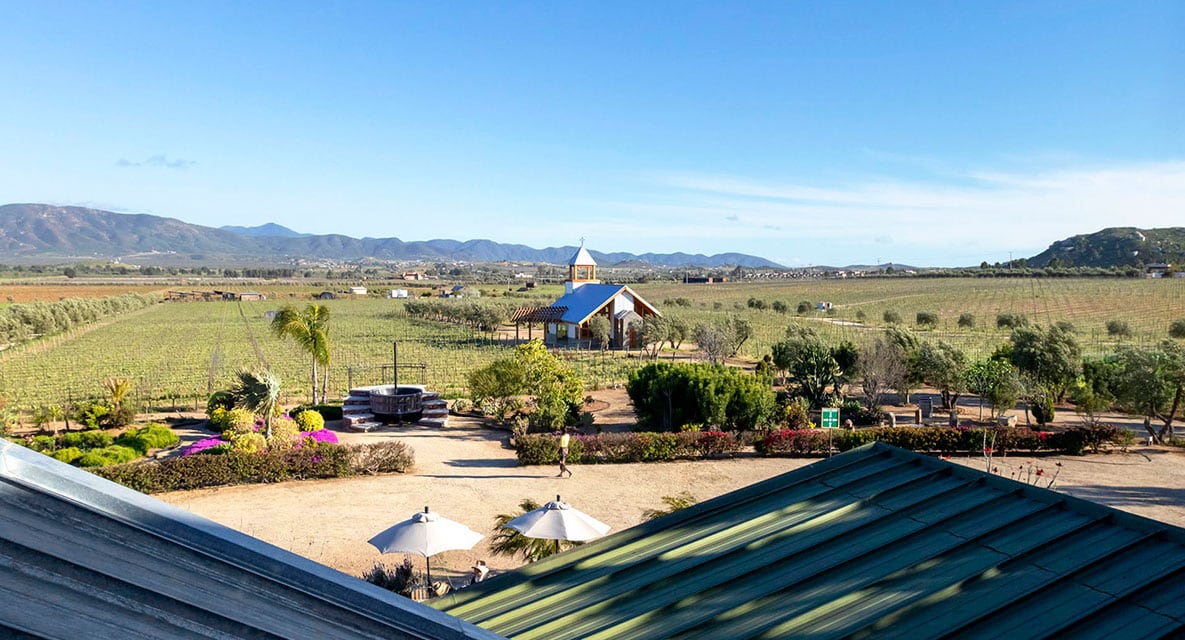
Finca celebrates the culture and history of the Valley and brings some rather age-old cosmic practices to their craft. Their range of red wines is impressive and delicious. Spend a moment on their rooftop terrace taking in views of the surrounding valley.
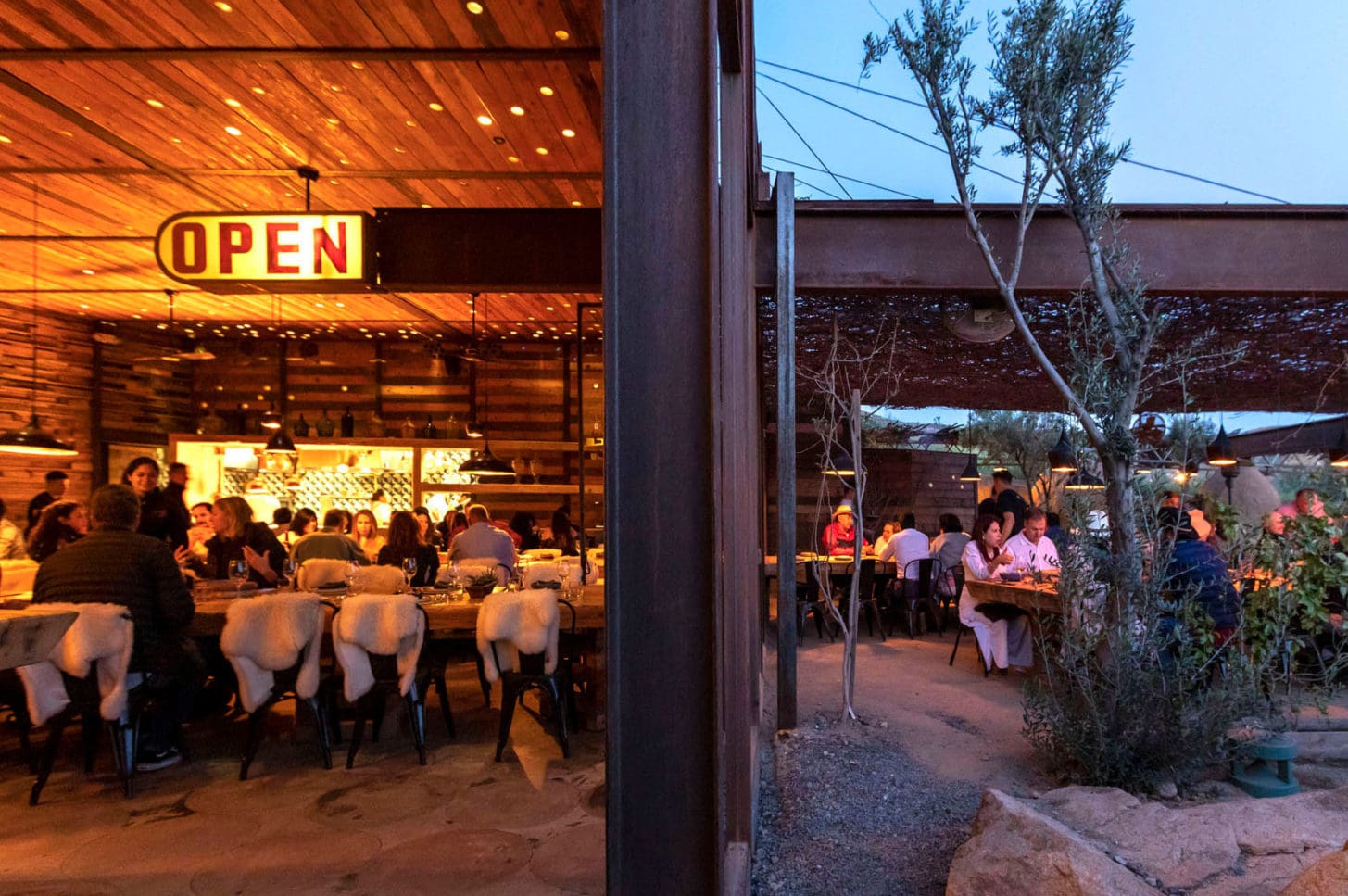
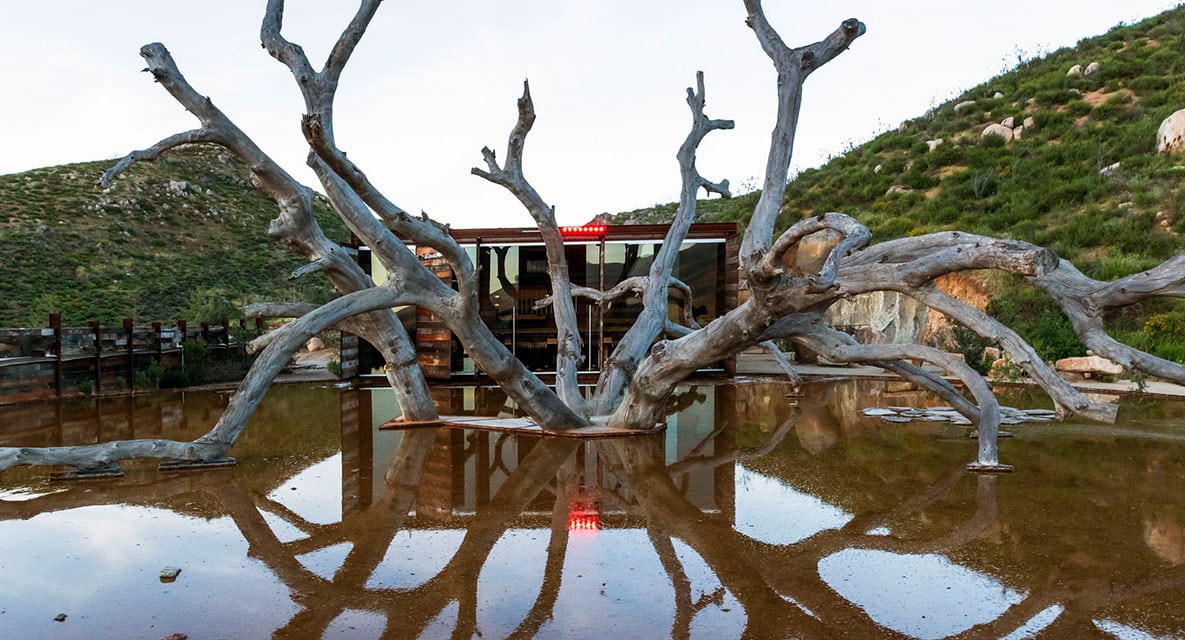
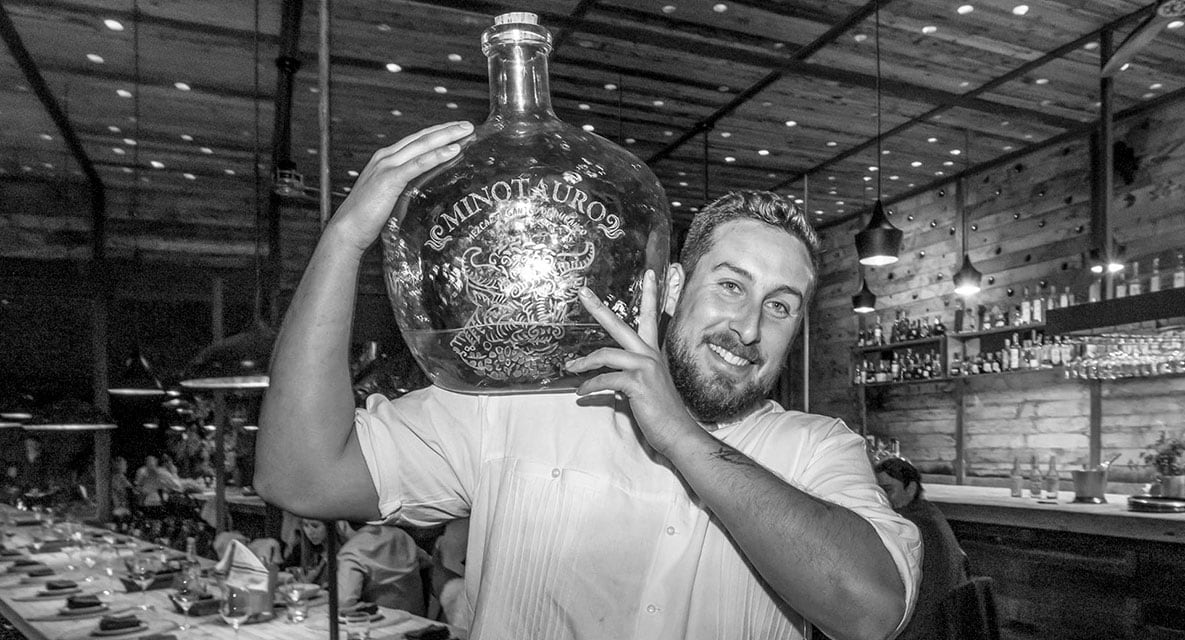
Bruma Winery is the latest Alejandro D’Acosta-designed Valley winery and eco-resort to catch international attention. A quick walk up the hill takes you to the iconic reflection pool. Descend down behind and beneath the pool into the winery’s tasting room-cum-art gallery and enter into the cool, earthen space. Fauna, Chef David Castro Husson’s homage to modern Mexican cuisine, offers an unforgettable menu and dining experience.
The LA Design Festival hosts biannual design field trips to design and cultural destinations. The next field trip takes place in September and will be announced during the summer. For more information, visit www.ladesignfestival.org.


The Best California Wines to Pour at Your Thanksgiving Meal
From our seasoned sommelier to your table.
Uncovering Treasures: The State’s Top 3 Flea Markets
Come armed with cash, good walking shoes, and negotiating skills.
Robert Rauschenberg’s Ambitious 17-Year, Quarter-Mile Project Arrives at LACMA
The massive installation and the artist’s L.A. connection highlight the exhibition.
Get the Latest Stories