







Why SpaceX’s Gwynne Shotwell Thinks We’ll Be on Mars in Next Decade
Elon Musk’s trusted co-pilot is also one of his biggest champions.
-
CategoryMakers + Entrepreneurs, Tech
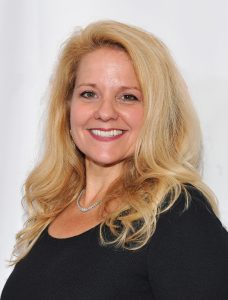
Gwynne Shotwell
It’s no secret that Elon Musk, the man behind the SoCal spacecraft and rocket manufacturer SpaceX, wants to send human kind to Mars. And while this most definitely could transition from science fiction to reality in the coming year, Musk’s reputation for being a big thinker and big dreamer must also translate to the thousands of skilled workers employed to see these ambitions realized. That’s where Gwynne Shotwell comes in.
As president and COO of the SoCal-based operation, it’s Shotwell’s challenge to rally behind Musk’s inspiring vision while still establishing achievable goals for business success. This balancing act was on full display when she spoke about SpaceX and Mars at a recent TED Conference in Vancouver.
According to Wired, “Shotwell projected that SpaceX’s rockets will begin taking people to Mars in the next decade. The mission has been framed as a way to sustain human life in case the Earth is destroyed. ‘It’s risk reduction for the human species,’ she said. Of course, SpaceX also has a well-earned reputation for missing many of Musk’s timing projections.
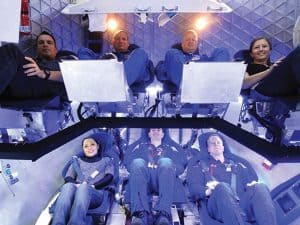
“But Shotwell called that argument ‘the downer piece.’ In a message bound to resonate with the technofuturists in the TED audience, Shotwell described SpaceX’s mission to Mars from a more inspirational perspective. ‘Fundamentally you go to other places to explore. That’s what makes humans different from animals,’ she said, expressing a desire to meet other life forms in other solar systems.”
Read more about SpaceX’s passenger rocket and timeline here.



6 Family-Owned California Wines We Are Thankful For
Shop local for your holiday feast!

A Manhattan Beach Home That Is at Once Refined and Rustic
In the SoCal home of John and Kari Boiler, streamlined sophistication and unchained creative expression live in perfect harmony.

Canndescent Looks to Project Light into the Modern Cannabis Market
In a competitive California market, CEO Adrian Sedlin is building a different type of company.